
The International Society for the Study of Individual Differences returns for its 2027 conference, hosted at Durham University.
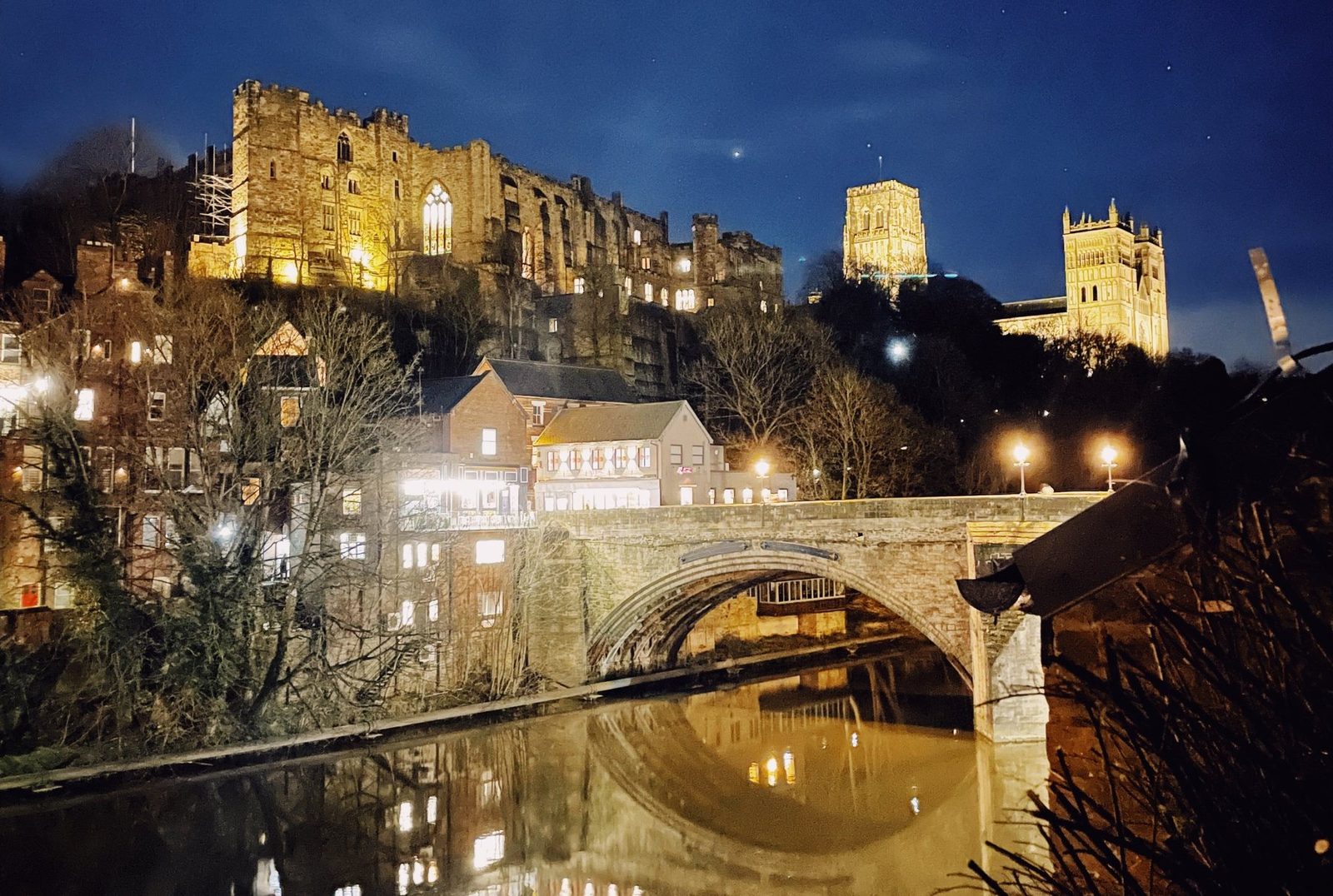
We are pleased to welcome you to the International Society for the Study of Individual Differences (ISSID) 2027 conference in Durham!
The main conference will be held from Monday, July 19th to Friday, July 23rd 2027, in the Teaching and Learning Centre at Durham University, Durham, United Kingdom, a historic cathedral city set on the River Wear, and home to one of the UK's oldest universities. The summer school will take place on 17 and 18 July.
For ISSID members, we will offer pre-conference workshops (details to be announced). If you're not a member yet, you can apply to join ISSID at www.issid.org.
Abstract submission is now open, with decisions aimed to reach authors by mid-January 2027. Registration information will be available soon on the registration page, and will open in November 2026. This website will be updated periodically with the latest details on submissions, registration, travel, and accommodation.
Please do not hesitate to contact us if you have any questions. For all enquiries, please reach out to the Organising Chair, Dr Sarah A. Walker, at sarah.a.walker@durham.ac.uk.
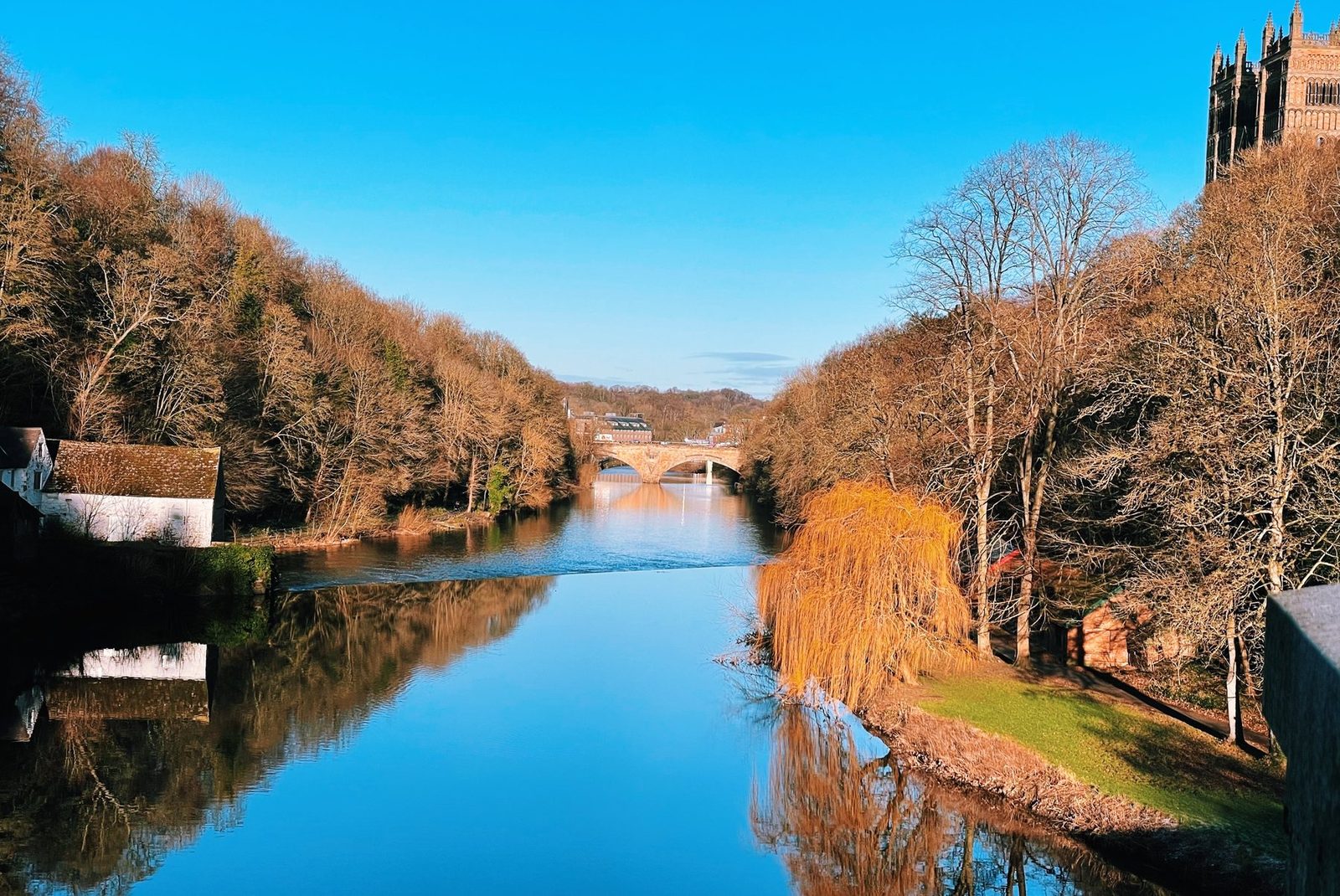
Durham is one of England's most captivating small cities, its skyline dominated by a magnificent Norman cathedral and castle, together a UNESCO World Heritage Site, perched high above a wooded loop of the River Wear. Cobbled streets, riverside walks, and centuries of history make the city itself worth the visit alone.
Beyond the city, the surrounding North East offers some of the UK's most striking landscapes: the wild, heather-clad hills of the North Pennines and Durham Dales to the west, and a dramatic, unspoiled coastline to the east, dotted with fishing villages, castles, and sandy beaches. Whether you extend your stay to explore the dales, the coast, or simply wander the city's ancient lanes, Durham promises a memorable backdrop for ISSID 2027.
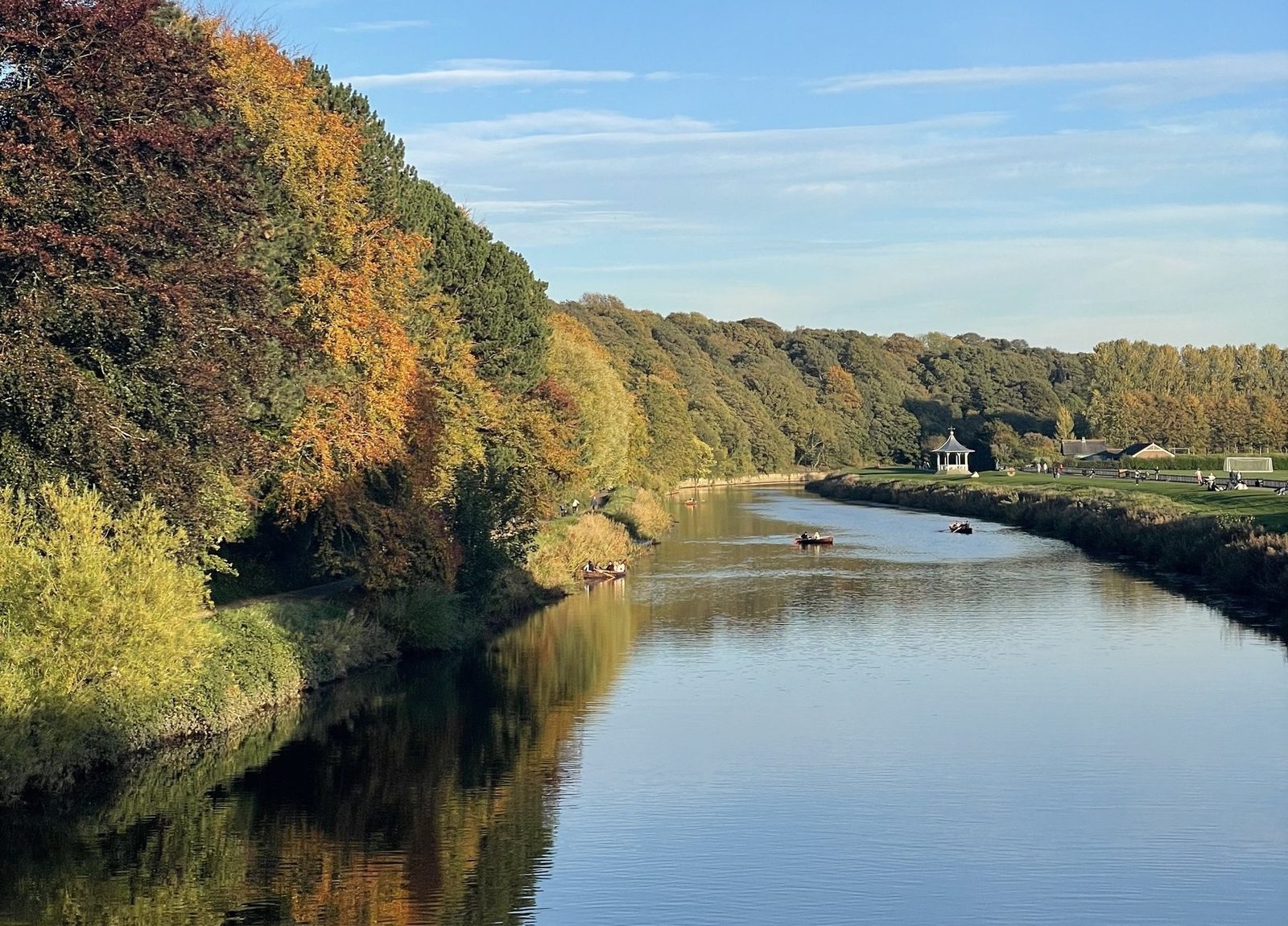
Famous landscapes in Durham and England's North East start in the city of Durham itself. The River Wear carves a dramatic, wooded loop around the peninsula, a natural defence that made this the perfect site for Durham Castle, built in 1072 on the orders of William the Conqueror and now one of the oldest continuously inhabited buildings in Europe. Ancient woodland still clings to the steep banks below the cathedral and castle, much as it has for a thousand years, framing one of England's most photographed skylines.
This peninsula's story begins earlier still, with the monks of Lindisfarne, who arrived in 995 AD carrying the relics of St Cuthbert and founded the community that grew into Durham Cathedral. Their commitment to scholarship and manuscript-making established Durham as a centre of learning centuries before its university existed. That tradition endures today: Durham University, founded in 1832, is the third-oldest university in England, and the city remains a place where history and higher education sit side by side.

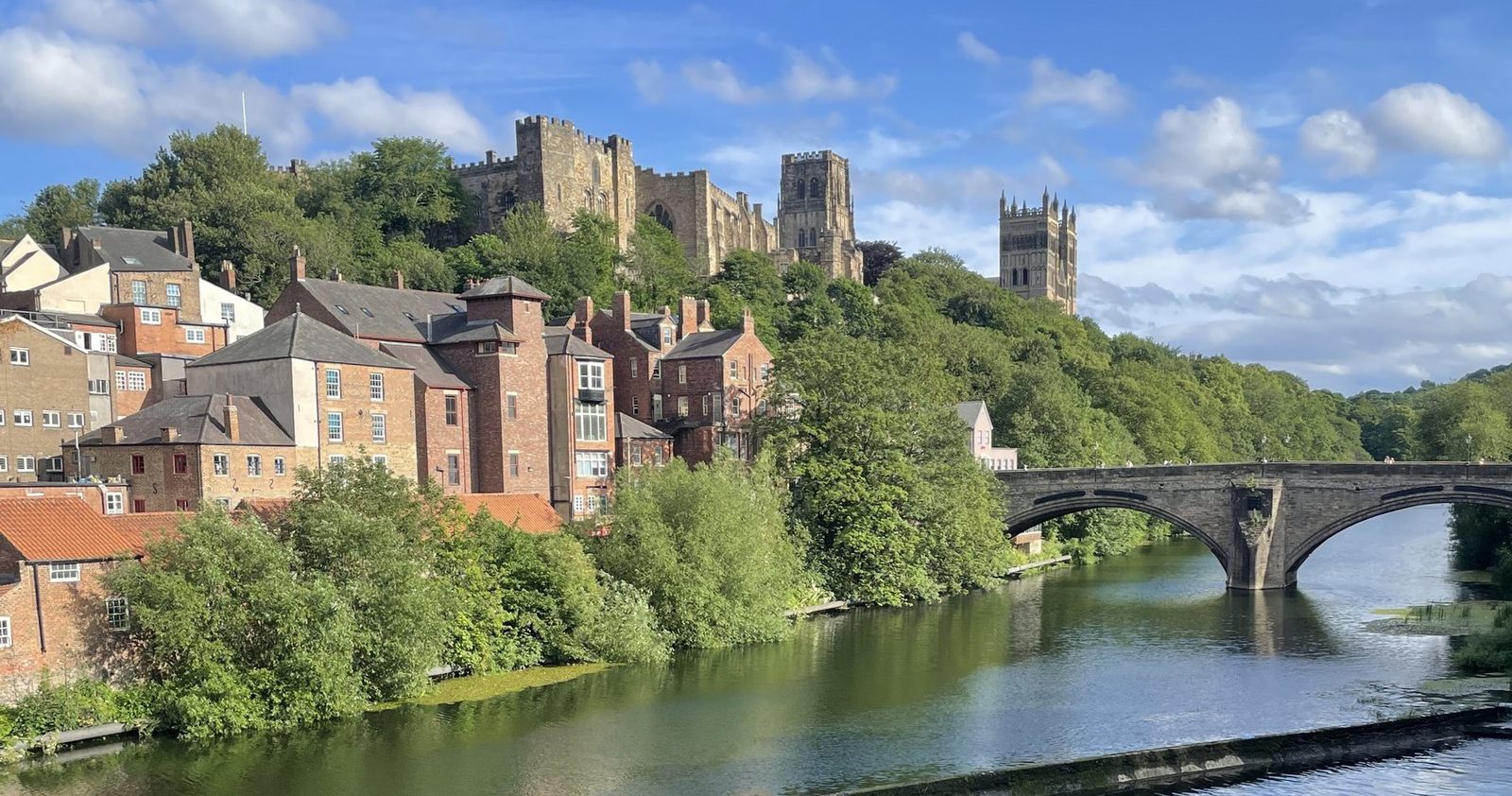
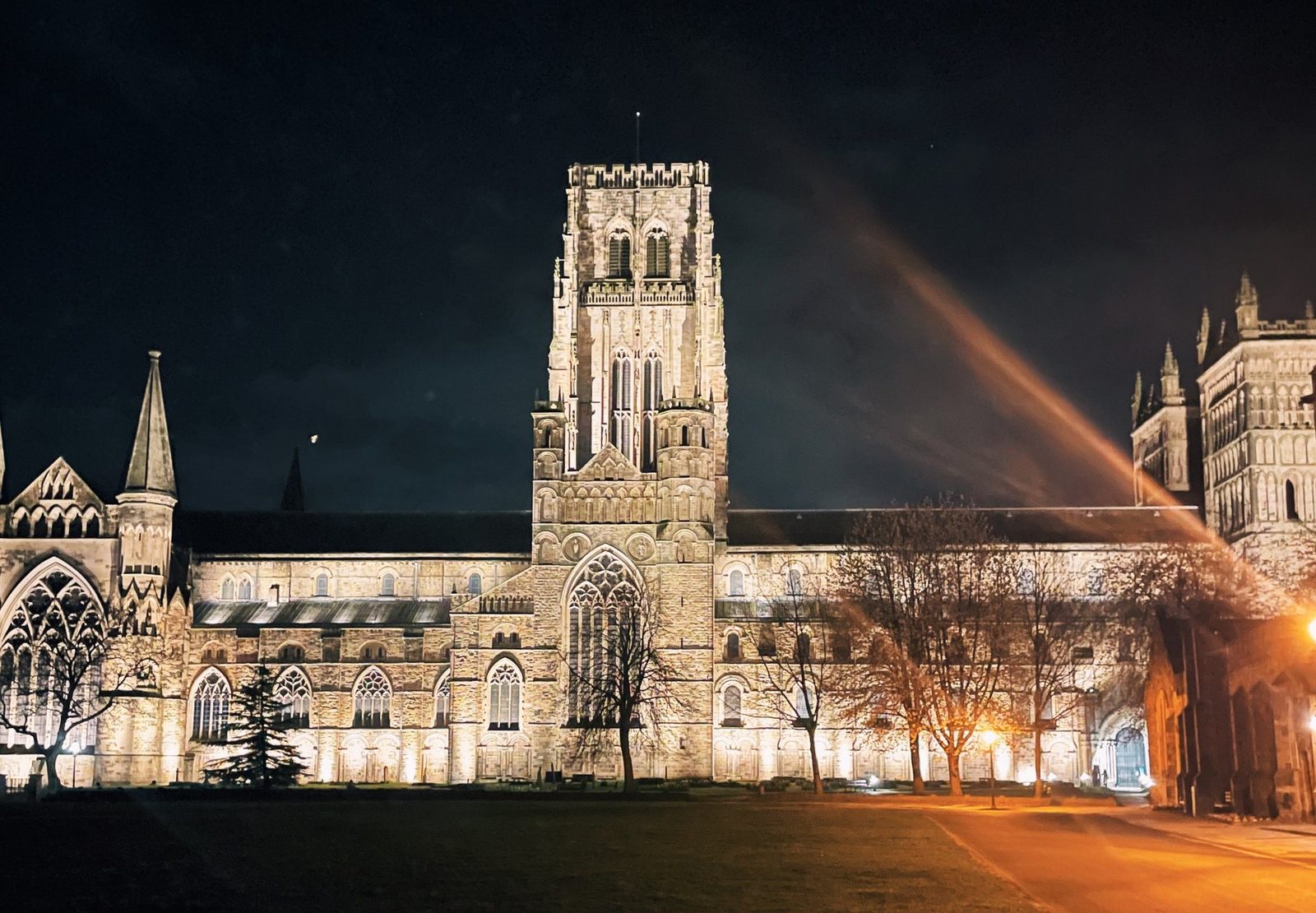

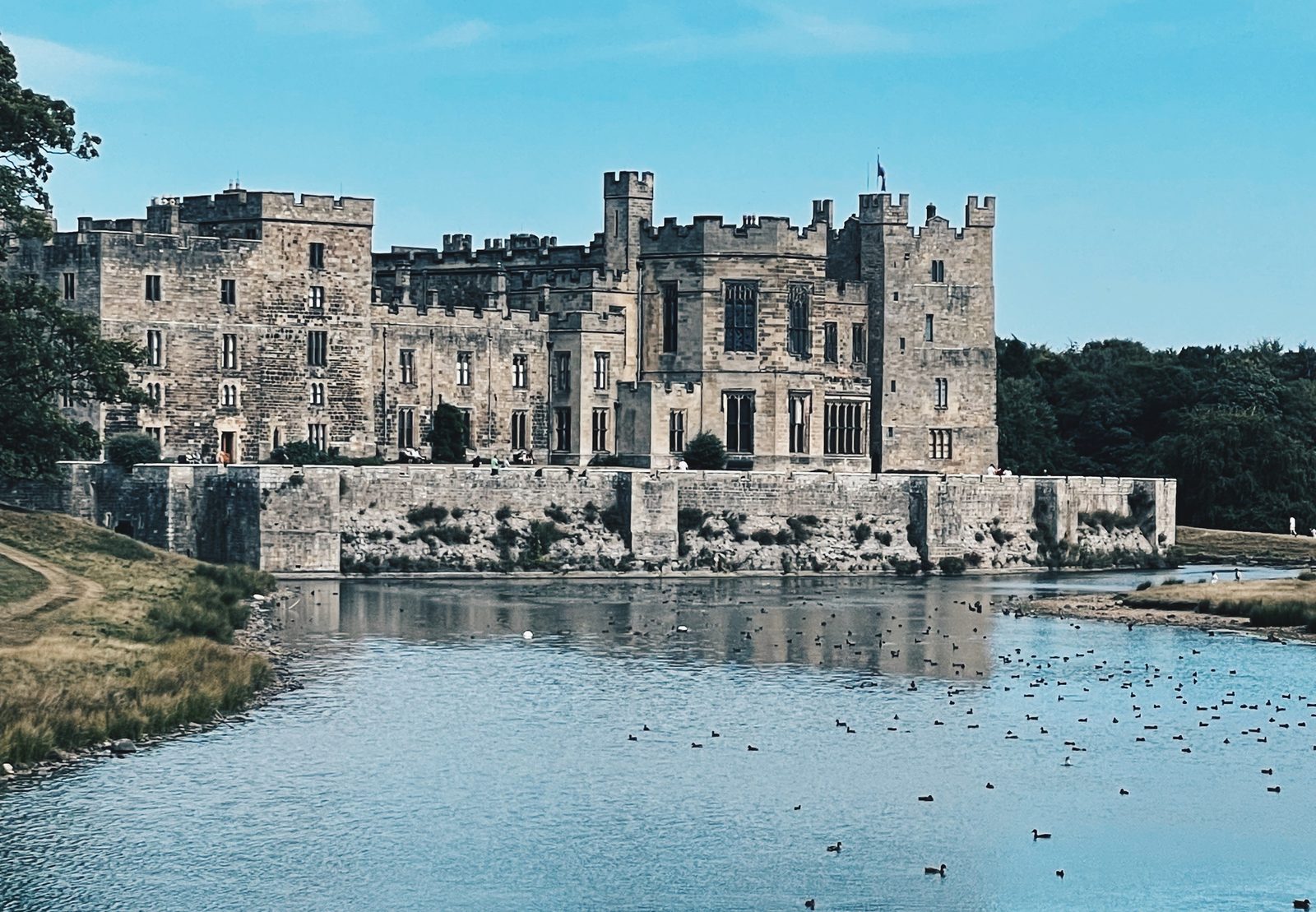



Images of Bamburgh Castle at sunset, boating on the River Wear, Durham Cathedral after dark, the Roman fort at Vindolanda, Raby Castle and its deer park, spring blossom at The Alnwick Garden, and St Mary's Lighthouse at Whitley Bay. Why not extend your trip for a tour up the Northumberland coast, or head north to the Scottish Highlands, before returning to explore all there is to see in Durham and England's North East?
ISSID 2027 will feature keynote addresses from leading researchers in individual differences.